
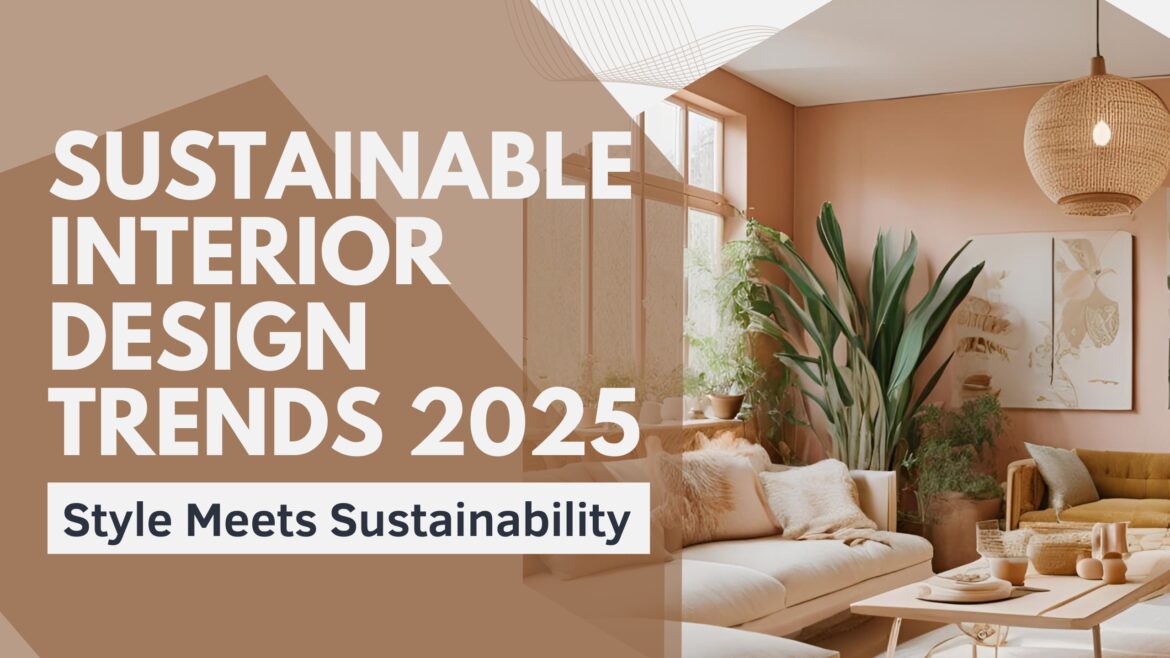
Sustainable Interior Design Trends 2025: Creating Stylish, Eco-Friendly Homes
As climate consciousness rises and homeowners seek to align their lifestyles with environmental values, sustainable interior design trends in 2025 are taking center stage. From eco-friendly home decor ideas to energy

In this blog, we explore the latest in sustainable design, including natural materials for interior design, zero waste home decor, and practical ways to create a minimalist sustainable home without sacrificing comfort or aesthetics.
Why Sustainable Interior Design Matters in 2025
With growing awareness of environmental issues and a desire for healthier living spaces, sustainable design is no longer a niche—it’s a necessity. Modern interiors are now judged not only by their beauty but by their carbon footprint, material sourcing, and energy efficiency.
 Whether you’re renovating your space or starting fresh, embracing green interior design ideas helps reduce environmental impact, supports local artisans, and fosters well-being through the use of organic textures in design.
Top Sustainable Interior Design Trends for 2025
1. Eco-Friendly Home Decor Ideas That Look Stunning
Sustainable doesn’t mean boring. In 2025, we’re seeing a wave of eco-friendly home decor ideas that merge beauty with ethics. Think upcycled furniture, reclaimed wood shelving, and vintage lighting fixtures that tell a story while reducing waste.
Design Tip:
-
Use local artisan-made decor from natural fibers like jute, hemp, and bamboo.
-
Swap plastic accessories for ceramic, glass, or metal alternatives.
 2. Energy-Efficient Interior Design: Saving Energy with Style
Today’s interiors are smarter and greener. Incorporating energy-efficient interior design not only lowers utility bills but also contributes to a healthier planet.
Trending Features:
-
Smart thermostats and LED lighting systems that adapt to your routine.
-
Solar-powered window treatments that adjust based on light intensity.
-
Natural ventilation designs, like cross-window airflow layouts, to reduce HVAC reliance.
Bonus Tip:
Choose light-reflecting colors like off-white, sandy beige, or pale sage green to brighten interiors naturally.
 3. Natural Materials for Interior Design: Earthy Elegance
Sustainable homes in 2025 are deeply connected to nature. The use of natural materials for interior design brings warmth, authenticity, and timeless charm.
Best Sustainable Materials for Home Interiors:
-
Cork: Lightweight, renewable, and perfect for walls or flooring.
-
Bamboo: Durable and fast-growing, ideal for furniture and decor.
-
Reclaimed Wood: Adds rustic appeal while minimizing deforestation.
-
Clay and Terracotta: Perfect for earthy, tactile finishes on walls and planters.
 4. Minimalist Sustainable Home: Less Is More
The minimalist sustainable home trend goes beyond aesthetics. It’s a philosophy that values quality over quantity and encourages intentional living.
Key Elements:
-
Multi-functional furniture that saves space and reduces consumption.
-
A neutral palette with accent pieces made from organic textures in design, such as linen, wool, or rattan.
-
Digital decluttering: Reducing tech overload for mental clarity.
Tip:
Adopt the “one in, one out” rule to prevent clutter and overconsumption.
 5. Zero Waste Home Decor: Reduce, Reuse, Restyle
In a world of fast furniture and disposable trends, zero waste home decor stands out as a mindful alternative. The focus is on longevity, creativity, and circular design.
Ways to Achieve Zero Waste Style:
-
Repurpose old items instead of discarding them—e.g., turning crates into bookshelves.
-
Choose modular furniture that can adapt to changing needs.
-
Buy vintage and antique pieces to reduce new production demand.
 6. Organic Textures in Design: Tactile Tranquility
More homeowners are embracing organic textures in design to reconnect with nature and introduce calming, sensory experiences.
Trending Textures:
-
Woven wall hangings using natural wool.
-
Linen drapes that flow beautifully with breeze.
-
Clay or stone finishes for tactile contrast in kitchens and bathrooms.
 How to Create a Sustainable, Stylish Interior
Creating an eco-conscious space isn’t about making huge sacrifices. It’s about aligning your home with your values through thoughtful choices.
Step 1: Start With a Sustainable Foundation
Choose low-VOC paints, recycled tiles, or bamboo flooring. Focus on materials that are biodegradable, recyclable, or ethically sourced.
Step 2: Focus on Energy Efficiency
Incorporate energy-efficient interior design strategies like:
-
Double-glazed windows.
-
Skylights for daylighting.
-
Smart home systems to manage energy use efficiently.
Step 3: Source Locally
Reduce shipping emissions and support local businesses by sourcing furniture and decor items locally. Explore Indian craft markets, handwoven textiles, and regional stonework for timeless appeal.
Step 4: Prioritize Durability Over Trends
Instead of following seasonal fads, invest in classic pieces made from the best sustainable materials for home interiors that can last a lifetime.
Step 5: Add Greenery—Literally
Indoor plants purify the air and bring a lively aesthetic. Go for easy-care options like:
-
Snake plant
-
Areca palm
-
Pothos
-
Spider plant
Sustainable Interior Design Room-by-Room
Kitchen
-
Reclaimed wood cabinets.
-
Composting setup for food waste.
-
Energy Star-rated appliances.
-
Clay or glass food storage instead of plastic.

Living Room
-
Upcycled coffee tables.
-
Wool rugs from ethical sources.
-
Organic textures in design through soft furnishings.
Bedroom
-
Natural latex mattresses.
-
Linen or organic cotton sheets.
-
Solid wood bed frames (FSC-certified).
Bathroom
-
Water-saving faucets and dual-flush toilets.
-
Bamboo towels and accessories.
-
Refillable containers for soaps and lotions.
 The Emotional Benefits of Sustainable Living
Beyond environmental impact, sustainable interiors also enhance well-being. Natural textures soothe the mind, earthy palettes ground the senses, and reduced clutter fosters peace.
A minimalist sustainable home isn’t just good for the planet—it’s a sanctuary for your soul.
Emerging Technologies Shaping Sustainable Interiors
Technology is playing a pivotal role in green interior design ideas. Expect to see:
-
Biophilic design integrations powered by IoT.
-
AI-controlled energy systems that adjust to real-time weather.
-
Augmented reality (AR) tools to visualize sustainable materials in your space before purchase.
Future of Sustainable Design: Beyond 2025
Sustainability will soon move from individual choice to global standard. Innovations in biodegradable building materials, carbon-negative design, and AI-driven smart homes will redefine what it means to live green.
Designers, homeowners, and architects alike are realizing: style and sustainability are not mutually exclusive—they’re the future together.
Frequently Asked Questions (FAQs)
What are the top sustainable interior design trends in 2025?
Some of the top sustainable interior design trends 2025 include:
-
Use of natural and reclaimed materials.
-
Energy-efficient appliances and lighting.
-
Minimalist aesthetics with eco-conscious functionality.
-
Integration of greenery and biophilic elements.
What are the best sustainable materials for home interiors?
Top choices include:
-
Bamboo (fast renewable).
-
Reclaimed wood (reduced deforestation).
-
Cork (antimicrobial and renewable).
-
Clay, stone, and recycled metals.
How do I start a zero waste home decor journey?
Start by:
-
Upcycling existing furniture.
-
Avoiding plastic decor.
-
Investing in long-lasting, quality pieces.
-
Donating or reselling items you no longer use.
How can I make my interior design more energy-efficient?
Implement:
-
LED lighting systems.
-
Smart thermostats.
-
Light-colored interiors for natural brightness.
-
Proper insulation and window treatments.
Is sustainable interior design expensive?
Initially, some materials may cost more, but over time, energy savings, durability, and low maintenance make it cost-effective and environmentally sound.
Final Thoughts: The Beauty of Living Sustainably
The best interiors are those that reflect care—for ourselves, for others, and for the Earth. In 2025, sustainable interior design is more than a trend—it’s a lifestyle rooted in intentionality, craftsmanship, and longevity.
By embracing eco-friendly home decor ideas, energy-efficient interior design, and the use of natural materials for interior design, we not only beautify our spaces—we build a better future.


Leave a Reply